
Manicure · 8 min read
How to Choose the Right Nail Shape for Your Hands
Published September 9, 2026 by the team at Nail Bar 12
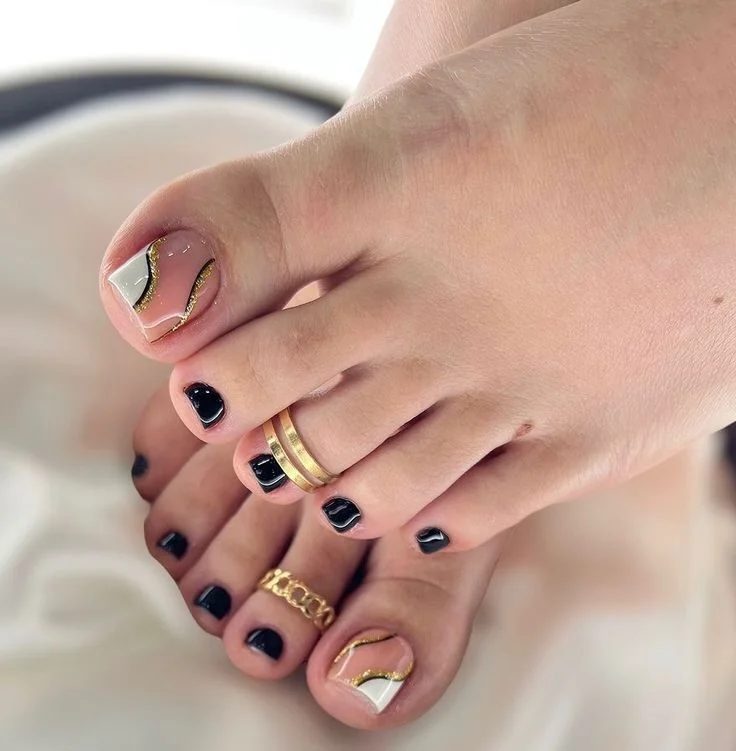
Shape does more work than colour. It changes how long your fingers look, how often a nail catches and breaks, and how much free edge you have to work with when you want art. Before we file, we look at three things: the width of the nail bed, the length of the free edge you can grow, and what you do with your hands all day.
The six shapes we file most often
- Square: straight sides, flat edge. Strong on wide nail beds, but corners catch on fabric.
- Squoval: square with softened corners. The most practical everyday shape and our most requested.
- Round: follows the natural fingertip. Best for short nails and anyone who types all day.
- Oval: elongates shorter fingers and keeps strength through the centre of the nail.
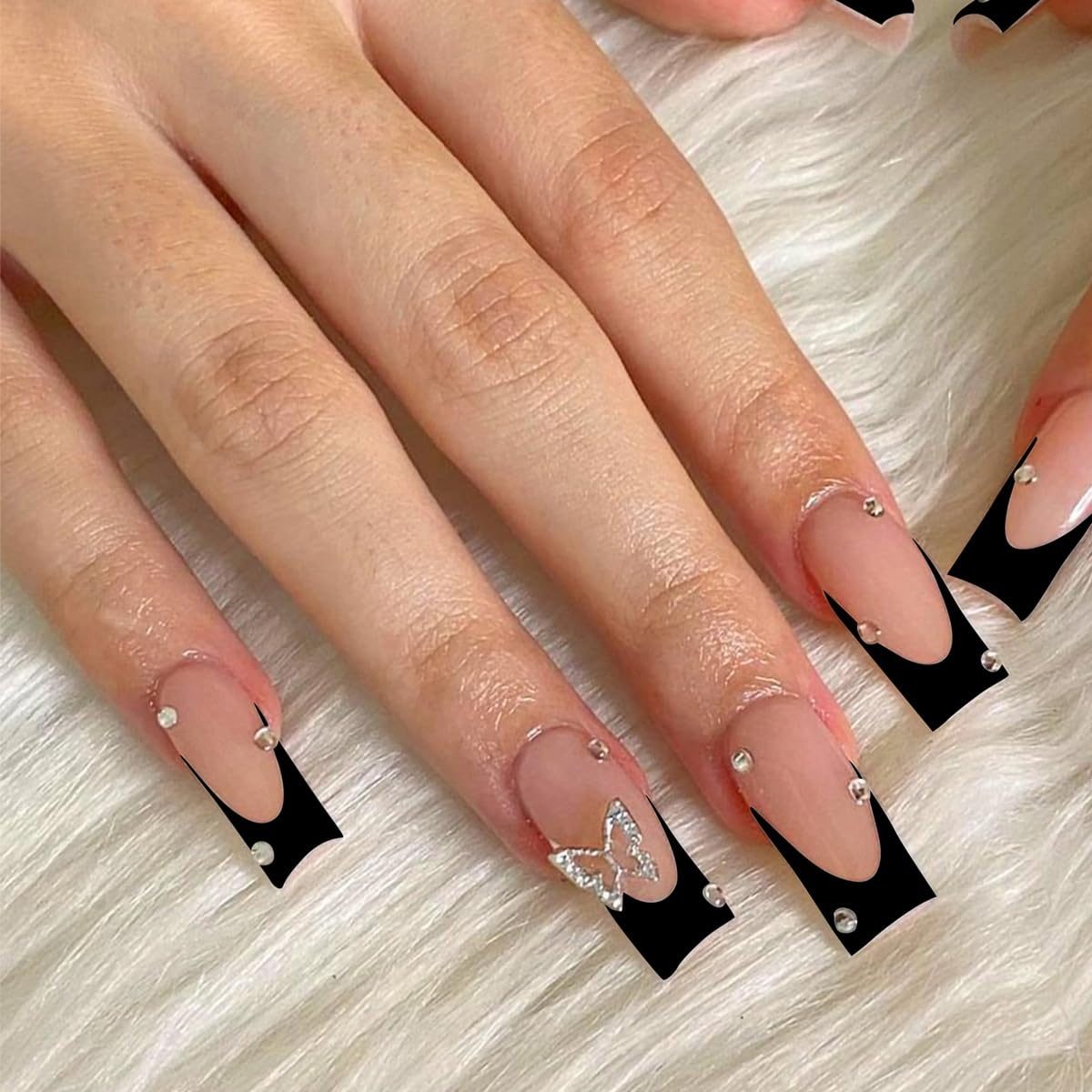
- Almond: tapered sides with a soft point. Elegant, but needs length or an enhancement.
- Coffin and stiletto: dramatic tapered shapes that really only hold up as acrylic or hard gel.
Match the shape to your nail bed
Wide, short nail beds look longer with oval or almond shapes because the tapered sides visually narrow the plate. Narrow beds carry square and squoval well without looking bony. If your nail curves strongly from side to side, avoid sharp points — the tension at a narrow tip is where most breaks happen.
Match the shape to your week
Nurses, teachers, hair stylists and anyone at a keyboard all day are happiest at short squoval or round. Long coffin nails are lovely and completely impractical if you unload a dishwasher twice a day. There is no wrong answer, but choosing honestly is the difference between a set that lasts three weeks and a set you fix twice a week.
Filing technique that keeps the shape strong
- Decide the length first and cut or file all ten nails to it before shaping.
- File from the outer edge toward the centre, never sawing back and forth.
- Keep the sidewalls straight; filing into them narrows the base and weakens the nail.
- Check symmetry by looking down the fingertips from above, not from the side.
- Finish with a fine buffer on the edge only, then oil.
Changing shape without losing length
Going from square to almond removes material from the sides, so the nail will feel thinner at the tip for a few weeks. Do it gradually across two appointments, or add a builder-gel overlay so the new shape has support while the natural nail catches up.
Book a shaping consultation
If you have never been happy with your shape, mention it when you book at Nail Bar 12. We will look at your nail beds, ask about your work, and file a test shape on two nails before committing to all ten.
Frequently asked questions
- Which nail shape is the strongest?
- Squoval and round are the strongest on natural nails because the stress is spread across a wide edge rather than concentrated at corners or a point.
- What nail shape makes fingers look longer?
- Almond and oval elongate the hand most because the tapered sides draw the eye down the finger. A nude or soft pink colour adds to the effect.
- Can I get coffin nails on short natural nails?
- Not on the natural nail alone — coffin needs length and a flat, strong tip, which means acrylic or hard gel extensions.