
Pedicure · 5 min read
Between-Pedicure Foot Care That Actually Works
Published August 2, 2026 by the team at Nail Bar 12
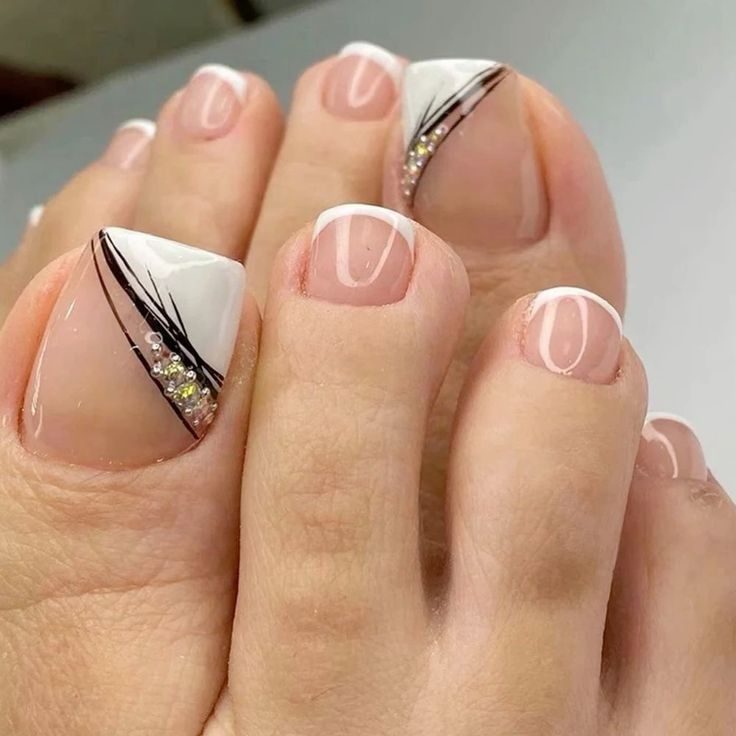
Soften first, then exfoliate
Filing dry, hard callus tears the skin and it grows back thicker. Soak for five to ten minutes, then use a foot file with light pressure on the callused area only. Twice a week is plenty; daily filing is what creates cracked heels.
Use a urea or lactic acid cream
Plain lotion sits on top of thick heel skin. A cream with ten to twenty-five percent urea, or one with lactic acid, breaks down hard keratin and holds water in. Apply at night and put socks on so it stays where you need it.
Cut toenails straight across
- Cut straight, not curved into the corners — curving is the main cause of ingrown toenails.
- Leave a millimetre or two of white edge rather than cutting to the skin.
- Smooth the corners with a file instead of digging them out.
- Never let anyone dig into the side wall of a toenail during a pedicure.
Keep feet dry and protected
Fungus thrives in warm, damp shoes. Dry between the toes after swimming, rotate shoes so they can dry out, and wear sandals in public showers and pool decks. Thickened, yellow or crumbling toenails are a fungal issue for a podiatrist — polish over them only traps moisture.
What to expect from a hygienic salon
Ask how the pedicure bowls are cleaned and whether files and buffers are single-use. At Nail Bar 12 we use disposable liners, single-use files and hospital-grade disinfection for metal implements. If you are diabetic or have reduced sensation in your feet, tell your technician before the service so we can keep the treatment gentle and callus work minimal.
A weekly at-home foot routine
- Soak feet for five to ten minutes in warm water with a little Epsom salt.
- Use a foot file on dry-ish skin with light pressure; never shave calluses with a blade.
- Cut toenails straight across and file the corners smooth to prevent ingrown edges.
- Apply a urea or lactic-acid foot cream to the heels, then socks overnight once a week.
- Oil the cuticle area of the toenails just as you would on your hands.
Sandal season in South Florida
Open shoes, pool decks and sand mean feet are wet, dry and abraded all in the same day. That combination thickens heel skin quickly and dries the nail plate. Rinse and moisturise after the beach, alternate between two pairs of sandals so each dries fully, and keep toenails short enough that they never press against the front of a closed shoe.
Signs to have a professional look at
- A toenail that is thickening, crumbling or turning yellow-brown.
- Redness or tenderness at the side of the big toe, which suggests an ingrown edge.
- Cracked heels deep enough to bleed.
- Any foot change if you are diabetic or have reduced sensation — see a podiatrist first.
How we keep pedicures hygienic
Disposable bowl liners, single-use files and buffers, and hospital-grade disinfection for metal implements are standard at every station. We also keep callus work conservative: removing too much protective skin at once leaves the foot sore and grows it back thicker.
Frequently asked questions
- How often should I get a pedicure?
- Every four to six weeks suits most people. In warm weather or if you are on your feet a lot, every three to four weeks keeps callus under control.
- Are foot razors safe?
- Credo blades are banned in many states and can easily cut too deep. A foot file or pumice on softened skin is the safe alternative.